← Home · Laboratory

Proctor Compaction Testing in Brampton – Standard & Modified for Earthworks QC

Together, we solve the challenges of tomorrow.

LEARN MORE →

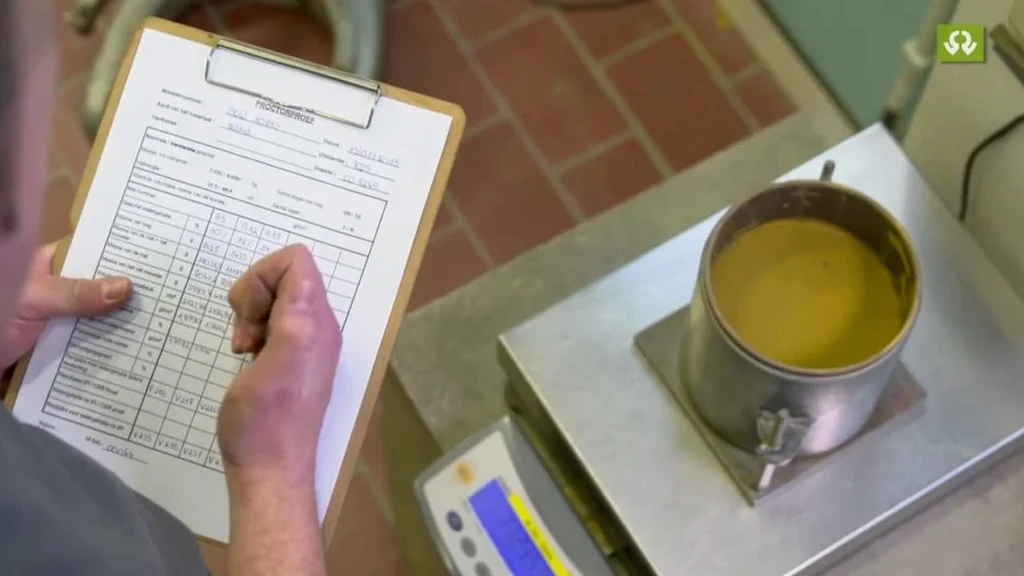
Compaction control in Brampton starts with a defensible Proctor reference curve—without it, every field density test is guesswork. The Ontario Building Code references ASTM D698 and D1557 as the benchmark for fill placement acceptance, and municipal inspectors across Peel Region routinely require lab-derived maximum dry density and optimum moisture content before signing off on road subgrades, utility trench backfill, or structural fill pads. Brampton’s glacial till and clay-rich Halton Till demand careful moisture conditioning; the difference between Standard and Modified Proctor can shift acceptance criteria by over 5 percent density, which translates directly to long-term settlement performance. When we run a sand cone density test against a properly developed Proctor curve, the field compliance picture becomes unambiguous for the geotechnical engineer of record.

A Proctor curve built from four well-spaced moisture points is worth more than a hundred field density readings taken against a borrowed reference.
How we work

Brampton sits at roughly 230 metres elevation on the South Slope physiographic region, where near-surface soils transition from sandy silt till to stiff clay till within a single subdivision block. This variability means a single Proctor curve rarely covers an entire site—borrow sources, recompacted trench zones, and structural fill lifts each demand their own compaction reference. Our lab runs both Method A, B, and C moulds depending on maximum particle size, and we routinely cross-check grain size distribution through sieve analysis to confirm which method applies. Key quality benchmarks we track on every Proctor report include:
Proctor Compaction Testing in Brampton – Standard & Modified for Earthworks QC
Technical reference image — Brampton

Local considerations

Brampton’s freeze-thaw cycling—averaging 110 days below 0°C annually—creates a compaction risk window that many earthworks schedules ignore. Fill placed within 2 percent of optimum in October can be 4 percent wet by April, losing density and bearing capacity beneath footings, slab-on-grade floors, and pavement sections. The Halton Till’s silt fraction makes it particularly susceptible to frost heave and subsequent collapse upon thaw, which is why our Proctor reports include saturation curves and air voids thresholds explicitly flagged for winter-adjacent placement. Overcompaction on the wet side of the curve, common when contractors try to beat weather shutdowns, produces pore pressure buildup and shear planes that no nuclear gauge will detect—only a properly interpreted Proctor family of curves exposes the risk before the asphalt goes down.

Need a geotechnical assessment?

Reply within 24h.

Email: contact@geotechnicalengineering.co

Typical values

ParameterTypical value
Standard Effort (ASTM D698)12,400 ft-lbf/ft³ (600 kN-m/m³)
Modified Effort (ASTM D1557)56,000 ft-lbf/ft³ (2,700 kN-m/m³)
Mould Sizes Available4-inch (101.6 mm) and 6-inch (152.4 mm)
Typical Max Dry Density Range (Halton Till)118–135 pcf (Standard), 125–142 pcf (Modified)
Optimum Moisture Range (Brampton tills)9%–16%
Report TurnaroundStandard 48 h; rush 24 h available

Other technical services

01

Standard Proctor (ASTM D698)

The baseline compaction reference for residential subdivisions, landscaping fills, and utility trench backfill where compaction effort matches typical vibratory plate or walk-behind roller equipment. We prepare four to five moisture points to clearly define the compaction parabola, and the report includes the zero air voids line and recommended field acceptance range.

02

Modified Proctor (ASTM D1557)

Required for highway embankments, heavy industrial pads, and airport pavement subgrades where larger compaction energy (4.5x Standard) simulates modern vibratory rollers. Our Modified Proctor curves give project engineers the higher target density needed to meet MTO and municipal arterial road specifications in Peel Region.

Applicable standards

ASTM D698-12 (Standard Proctor), ASTM D1557-12 (Modified Proctor), ASTM D2487-17 (USCS Classification), CCIL Type C Laboratory Certification

Common questions

What does a Proctor compaction test cost in Brampton?
When should I specify Modified Proctor instead of Standard Proctor?

Modified Proctor applies when the design compaction energy must match heavy vibratory rollers on engineered fills—think arterial road subgrades, commercial building pads under raft slabs, or MTO-spec embankments. Standard Proctor is appropriate for landscaping fills, residential driveway bases, and shallow utility trenches where lighter compaction equipment is used. The Brampton till responds differently to each effort; we can run both on the same material if the specification is unclear.

How much material do you need for a Proctor test and how should it be shipped?

We require approximately 25 kg of representative bulk sample in a sealed plastic pail or heavy-duty bag for Method A or B moulds; Method C with the 6-inch mould needs closer to 45 kg. The sample must be moist and protected from drying during transport—Brampton summer heat can pull several percent moisture out of an open bucket in a pickup bed within an hour, shifting the curve before testing begins.

Location and service area

We serve projects across Brampton and surrounding areas.

View larger map